
White Sturgeon Fishing Charter in Oregon - Captain Billy
White Sturgeon Fishing in Oregon - What to Expect
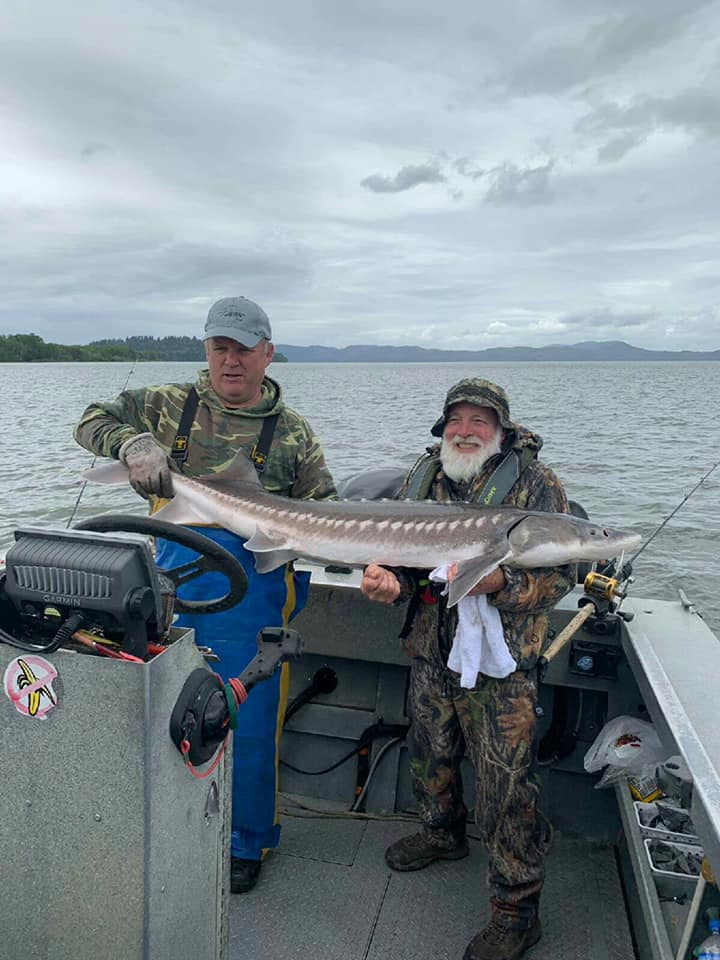
Fishing Charter by Captain Billy Johnson in December
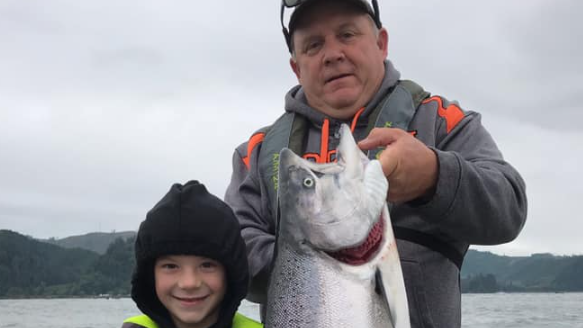
- Reel In The Fun Of Oregon Fishing Charters


Summary
Join Captain Billy Johnson of BJ's Guide Service on a Thursday in November for an unforgettable white sturgeon fishing charter in Warrenton, Oregon. This guided fishing trip targets one of the Pacific Northwest's most impressive species, offering anglers the chance to tangle with massive white sturgeon in prime Oregon waters. Reserve your spot for an authentic fishing experience led by a seasoned local guide.
Sturgeon Fishing with Captain Billy Johnson - Rates & Booking
Captain Billy Johnson of BJ's Guide Service welcomes anglers to his white sturgeon fishing charter on Thursday in November. This guided fishing trip targets one of the most sought-after species in Oregon waters, offering an exceptional opportunity for both experienced anglers and newcomers eager to test their skills against these prehistoric fish. Contact BJ's Guide Service directly to book your date and discuss charter details including group size, specific trip timing, and gear arrangements.
Captain Billy brings extensive local knowledge of Warrenton's prime sturgeon grounds, ensuring your charter takes advantage of current conditions and prime feeding periods. Trust signals that matter: Captain Billy operates as a licensed guide with deep roots in the Oregon fishing community, and his service provides access to proven sturgeon territory where trophy-sized fish are regularly encountered.
Highlights of This White Sturgeon Charter
White sturgeon represent one of the Pacific Northwest's most thrilling angling targets. These massive fish can reach impressive sizes, and landing one demands focus, technique, and persistence. The experience combines the thrill of heavy-tackle fishing with the quiet intensity of deep-water angling. Being on the water in Oregon's coastal region during peak sturgeon season creates an atmosphere where success feels earned and memorable.
What makes this charter stand out is the combination of a knowledgeable guide, proven waters, and the genuine possibility of connecting with a fish that will test your strength and resolve. The human element - working as a team with Captain Billy to track, locate, and successfully fight a sturgeon - transforms this from a simple fishing trip into a shared achievement.
Local Species Insights: White Sturgeon
White sturgeon rank among North America's largest freshwater fish, with specimens regularly exceeding 6 feet in length. These ancient-looking fish inhabit deep channels and offshore regions where strong currents deliver food sources. Their behavior reflects deliberate, methodical feeding patterns - they're not aggressive strikers but rather cautious consumers that inspect baited offerings with precision.
Oregon's waters provide ideal habitat for white sturgeon. The combination of deep channels, rich bottom structure, and consistent food availability creates prime conditions for year-round sturgeon presence. Anglers who understand sturgeon behavior - their preference for specific depths, their response to tidal flows, and their attraction to natural baits - dramatically increase their chances of success. Fishing for white sturgeon demands patience, proper technique, and respect for these remarkable fish that can live for decades.
Captain Billy positions the charter in zones where sturgeon congregate, using depth finders and current knowledge to locate fish. Once positioned, the presentation becomes critical - sturgeon respond to natural baits delivered along the bottom where these fish forage. The fight itself is distinctive; sturgeon don't leap or thrash like other species, but instead dig deep and pull with raw power, creating an intense test of tackle and technique that defines the white sturgeon experience.
The environment around Warrenton creates a working fishing atmosphere where locals and visitors alike pursue sturgeon with focused determination. The coastal setting, the rhythm of tidal changes, and the presence of commercial fishing infrastructure combine to create an authentic Pacific Northwest fishing experience. Whether this is your first sturgeon or you're a seasoned veteran, the waters around Warrenton deliver genuine opportunities for connection with remarkable fish.
Fishing in Oregon: White Sturgeon

White Sturgeon Overview
The White Sturgeon (Acipenser transmontanus), also called the Pacific Sturgeon or Sacramento Sturgeon, belongs to the family Acipenseridae within the order Acipenseriformes. This is one of North America's most impressive game fish and the largest freshwater fish on the continent. What makes this species truly remarkable is its anadromous lifestyle—born in freshwater, it spends most of its life in saltwater before returning to spawn. With a long, cylindrical body covered in protective bony plates called scutes instead of traditional scales, a toothless protruding mouth, and sensory barbels near its nose, the White Sturgeon is instantly recognizable. The record-holder, caught in British Columbia's Fraser River in 2012, weighed nearly 1,100 pounds and measured over 12 feet long. Whether you're exploring the Pacific coast from Alaska down to Northern Baja, California, or fishing the great river systems where these ancient fish still thrive, encountering a White Sturgeon is an unforgettable experience that connects you to a living fossil that has survived for millions of years.
White Sturgeon Habitat and Distribution
White Sturgeon are found throughout the Pacific coast region, ranging as far north as Alaska and extending southward to Northern Baja, California. These fish are primarily marine dwellers, spending the majority of their adult lives in coastal saltwater environments and estuaries where they hunt and grow to tremendous sizes. However, during spawning season—which runs from early spring through May or June—they undertake remarkable migrations inland, traveling up major river systems including the Sacramento, San Joaquin, Columbia, and Fraser Rivers. This seasonal movement means anglers can find them in estuaries, large rivers, and even streams during the spring months. The species prefers areas with strong currents and rocky bottoms where they can forage effectively. When not spawning, they're most commonly found in deeper offshore waters and along the continental shelf of the Pacific Ocean, making them a true bridge between freshwater and marine ecosystems.
White Sturgeon Size and Weight
White Sturgeon are genuine giants of the water. While juveniles may start at just an inch or two, adult fish commonly reach lengths of 4 to 6 feet and weights of 100 to 300 pounds. The maximum recorded size is extraordinary—the largest confirmed catch weighed approximately 1,100 pounds and measured 12 feet 4 inches in length. What's particularly impressive is that these fish grow slowly and can live well over 100 years, with some individuals possibly reaching 150 years or more. This extended lifespan means a mature White Sturgeon represents centuries of survival and adaptation. When planning your angling adventure, understanding that you could encounter anything from a 50-pound juvenile to a 600-pound giant helps you prepare appropriately with the right tackle and mindset.
White Sturgeon Diet and Behavior
Despite their massive size, White Sturgeon are bottom-feeding carnivores that hunt using a fascinating feeding mechanism. These fish are toothless, instead using their protruding mouth to suck up prey from the river or ocean floor. Their sensory barbels—whisker-like appendages near their mouth—help them locate food in murky water by detecting chemical signals. Their taste buds are actually located on the outside of their mouth, adding another sensory advantage. White Sturgeon feed on shrimp, clams, crabs, worms, mussels, snails, and small fish species. What surprises many anglers is that despite their size, they're incredibly gentle biters. They'll often nibble delicately at bait for extended periods without fully committing to a meal. This gentle feeding behavior is deceptive—as soon as they sense any resistance or pressure, they'll immediately drop the bait and move on. This behavioral quirk makes patience and finesse essential skills for successful angling.
White Sturgeon Spawning and Seasonal Activity
White Sturgeon exhibit one of nature's most dramatic annual cycles. During spawning season, which typically runs from early spring through May or June, sexually mature fish undertake epic migrations from the ocean back into freshwater rivers. Both males and females gather in traditional spawning grounds, where they release sperm and eggs simultaneously. A single female can produce up to 3 million eggs during spawning season, an astonishing reproductive output that underscores the species' ancient evolutionary strategy. Once fertilized, eggs sink to the river bottom where they adhere to rocks and other underwater structures, protected until they hatch. After spawning, adults return to the ocean to feed and recover. This cycle repeats annually for decades, with some fish spawning multiple times over their incredibly long lives. The seasonal predictability of this migration makes spring the prime time for anglers seeking these magnificent fish.
White Sturgeon Techniques for Observation and Capture
Method 1: River Spawning Season Fishing (Spring)
The most productive approach is to target White Sturgeon during their spring spawning migrations in major river systems. Use live bait—squid, smelt, herring, or salmon—cast near deep holes, underwater structure, and current breaks where fish rest during their upstream journey. You'll need heavy-duty tackle: a stout rod rated for 50+ pounds, an 80-pound braided line, and substantial weights to keep bait on the bottom. Focus on dawn and dusk when fish are most active. Around the Sacramento and San Joaquin River deltas in California, charter services can guide you to proven hotspots along the river channels where spring staging areas concentrate feeding fish.
Method 2: Estuary and Nearshore Saltwater Fishing (Year-Round)
When fish are in their marine phase, target them in estuaries and near-shore environments using similar live bait presentations. Fish during slack tide when currents ease and baits settle naturally. Look for areas where freshwater rivers meet saltwater—these transition zones concentrate feeding sturgeon. A 6 to 7-foot rod with 50 to 80-pound line works well here. Allow bait to settle on bottom structure and wait patiently; don't set the hook until you feel a solid, sustained pull rather than initial gentle taps.
Method 3: Patient Bottom Fishing Technique
Regardless of location, remember that White Sturgeon bite with surprising gentleness. Drop your baited rig to the bottom and maintain contact without creating tension. When you feel a tentative tug or nibble, keep your rod steady and resist the urge to set the hook immediately. Wait for a second, firmer pull—that's when the fish has fully committed. Then drive the hook home with a quick, controlled reeling motion. This technique demands patience and restraint; rushing will cost you fish after fish.
White Sturgeon Culinary and Utilization Notes
White Sturgeon have been valued by humans for centuries for both their meat and their roe. The firm, white flesh is considered excellent eating with a mild, slightly sweet flavor and a texture similar to swordfish. The fish's eggs, processed into caviar, represent one of the most prized and expensive delicacies in the culinary world. Commercial and recreational harvests are now carefully regulated to ensure sustainability and species recovery. If you're fortunate enough to land a legal-sized fish in waters where harvest is permitted, the meat provides excellent nutrition with high protein content and omega-3 fatty acids. Always check local regulations regarding size limits, seasons, and bag limits before keeping any fish.
White Sturgeon Frequently Asked Questions
Q: What is the best bait for catching White Sturgeon?
A: Live or fresh bait works best, with squid, herring, smelt, salmon, and other small fish species proving highly effective. White Sturgeon aren't particularly picky about bait selection, but fresh offerings consistently outperform artificial lures. The key is presenting bait on or near the bottom where these benthic feeders actively hunt.
Q: Where can I find White Sturgeon near the Pacific coast?
A: The best opportunities exist in major river systems during spring spawning season. The Sacramento, San Joaquin, Columbia, and Fraser Rivers host significant populations during April through June. In saltwater, target estuaries and nearshore environments along the Pacific coast from Alaska to California year-round. The Fraser River near Vancouver, British Columbia, offers particularly strong populations and world-class fishing opportunities.
Q: Is White Sturgeon good to eat?
A: Yes, absolutely. White Sturgeon flesh is firm, white, and mild-flavored, often compared to premium seafood like swordfish. The roe (eggs) is particularly prized and processed into caviar—some of the world's most expensive and sought-after caviar. Always verify local harvest regulations before keeping any fish, as populations in some areas remain protected or limited.
Q: When is the best time to catch White Sturgeon?
A: Spring (April through June) is peak season when fish migrate into rivers to spawn, making them concentrated and more accessible. However, saltwater populations can be targeted year-round in estuaries and nearshore environments. Time your fishing around slack tide and dawn or dusk hours when feeding activity peaks.
Q: Why do White Sturgeon bite so gently?
A: These fish are suction feeders with toothless mouths, so they naturally feed gently, drawing prey into their mouth rather than biting aggressively. They'll nibble cautiously at bait before fully committing. The moment they sense resistance, they drop the bait entirely. This behavior requires anglers to maintain patience and composure, waiting for a confident pull before setting the hook.
Q: What tackle do I need for White Sturgeon fishing?
A: Use a stout, heavy-action rod rated for 50+ pounds, paired with an 80-pound braided line that provides better sensitivity and strength. Include substantial sinkers to keep bait on bottom, quality swivels to prevent line twist, and circle hooks sized appropriately for your bait. This combination handles the fish's weight and power while providing the sensitivity needed to detect delicate bites.